



The Difference Between Chemistry and Compatibility
February 16, 2025
We often reserve our deepest vulnerabilities for our romantic partners, operating under the unspoken assumption that friends are meant for the "lighter" side of life—for shared hobbies, weekend outings, and the easy camaraderie of common interests. We treat friendship like a sunny-day activity, something that flourishes in the warmth but is tucked away when the weather turns cold. However, this keeps many of our most important social bonds in a state of arrested development. Without the introduction of vulnerability, a friendship remains a horizontal connection; it covers a lot of ground, but it never goes deep. The true power of a friendship is only unlocked when we decide to drop the "competency mask" and allow ourselves to be seen in our moments of doubt, failure, and unvarnished truth. It is the transition from being "associates in fun" to being "partners in life."
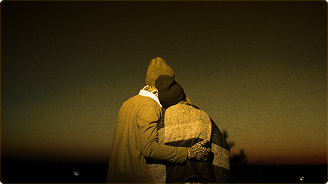
Vulnerability in friendship is often more terrifying than it is in romance because there is no formal "contract" to protect you. In a marriage or a long-term partnership, there is an explicit commitment that provides a safety net for your messy parts. In friendship, the commitment is informal and voluntary, which makes the risk of rejection feel higher. We fear that if we admit to our friends that we are struggling with our mental health, or that we are jealous of their success, or that we feel like a failure in our careers, they might find us "too heavy" and quietly drift away. So, we keep the conversation at a safe, curated level. We talk about the news, the weather, and the work stress that everyone else is also feeling. But by playing it safe, we deny our friends the opportunity to actually love us. You cannot be loved for who you are if you never show who you are.
The Difference Between Chemistry and Compatibility
February 16, 2025

The Art of the Meaningful Apology
October 29, 2025

The Architecture of Emotional Burnout
March 28, 2025
The shift toward vulnerability usually begins with a "micro-disclosure"—a small moment where you test the waters by being slightly more honest than is socially required. It's the difference between saying "I'm just busy" and saying "I'm actually feeling really overwhelmed and lonely lately." These small openings are invitations. When you show a piece of your real self, you give the other person permission to do the same. This creates an "intimacy spiral" where the bond is strengthened with every layer that is peeled back. Suddenly, the friendship isn't just about what you do together; it's about the psychological space you provide for one another. You become each other's witnesses. There is an incredible relief in having a friend who knows the "darker" chapters of your story and still chooses to sit at your table.
One of the most profound benefits of platonic vulnerability is the dismantling of the "shame of the ordinary." We often believe that our private struggles are unique to us, which leads to a deep sense of alienation. When we open up to a friend and they respond with "Me too," the shame evaporates. This is the "universalizing" power of friendship. It reminds us that being human is a difficult, confusing, and often hilarious ordeal that everyone is navigating simultaneously. In a romantic relationship, the stakes can feel so high that every disclosure feels like a potential deal-breaker. In a friendship, there is often more room for the "mess" because your lives aren't as legally or financially intertwined. A friend can offer a perspective that is both deeply caring and slightly detached, helping you see your own life with more clarity and less judgment.
However, vulnerability is not the same as "trauma dumping." It's not about unloading your problems onto someone else without their consent. True vulnerability is a two-way street that requires a high degree of emotional intelligence. It's about checking in and asking, "I'm going through something heavy, do you have the space to hear it right now?" It's also about being a skilled listener when the roles are reversed. The power of vulnerability in friendship isn't just in the speaking; it's in the holding. It's about creating a container where both people feel safe enough to be "weak" without the fear that their weakness will be used against them or that it will change the fundamental respect at the core of the bond.
Ultimately, the friendships that survive the decades are the ones that have been forged in the fire of honesty. We don't need friends who only like us when we're successful and "put together"; we need friends who can handle our grief, our pettiness, and our mid-life crises. By choosing to be vulnerable, we are investing in the long-term structural integrity of our support system. We are building a village that is held together by truth rather than performance. When the world becomes chaotic and our other anchors—jobs, health, or even partners—begin to shift, these "vulnerability-tested" friendships are the ones that stay grounded. They remind us that we are not alone, not because we are perfect, but because we are known.